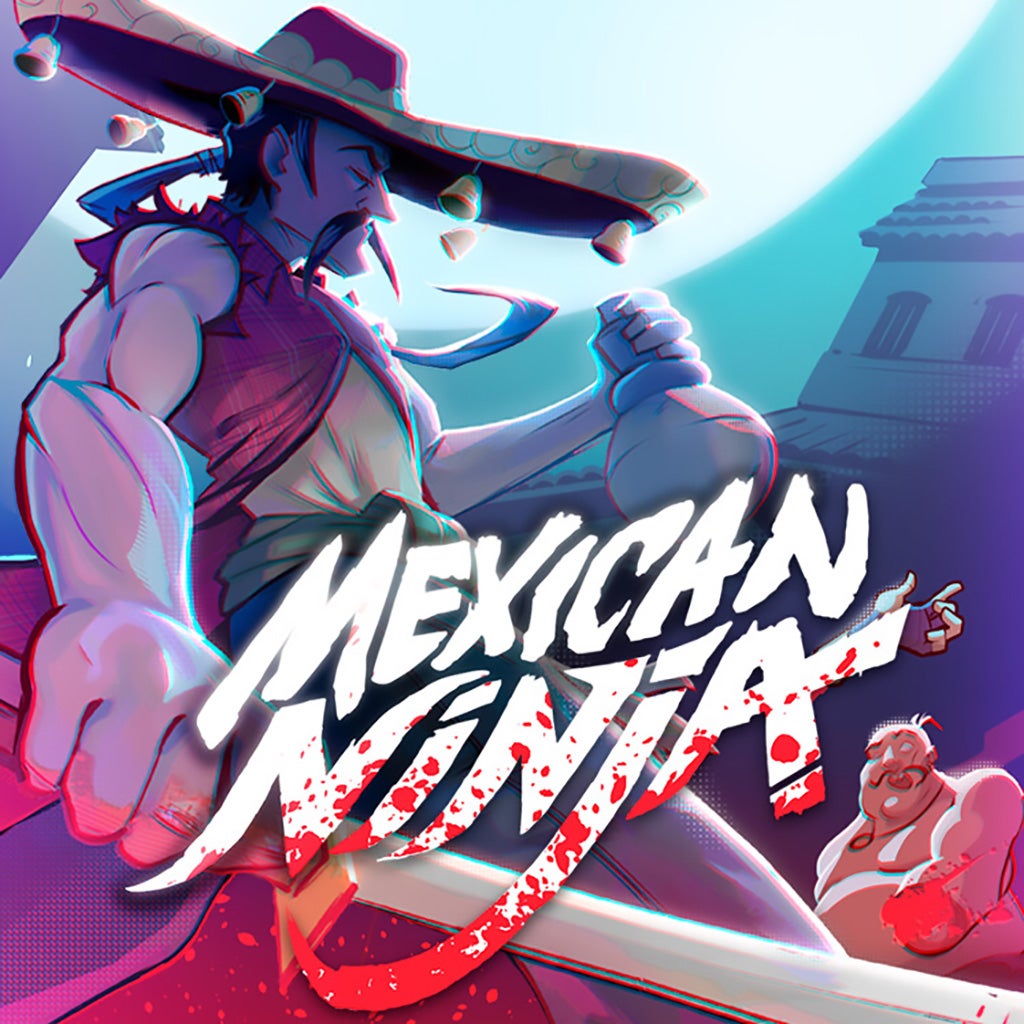
What happens when you slap Mexican and Japanese stereotypes into a single game? Enough cultural appropriation that I’m likely to get my Scottish ass in trouble by making jokes. So grab a sombrero and a katana and let’s….Damn. I couldn’t even make it a paragraph without a vaguely offensive stereotype joke. Ah well.

REVIEW AT A GLANCE

Developer Madbricks

Publisher Amber Studio

Reviewed On PC

Available On PC, PS5, Xbox Series

Release Date 20 August, 2026

Price (UK) £12.49

Genre 2.5D Roguelite Beat ’em Up

Review Code Provided by the publisher
Quick Take:
Mexican Ninja’s ridiculous mash-up of Narcos, Yakuza, sombreros and katanas gives it plenty of personality, while the combo-heavy brawling gets better as the upgrades pile up. Sadly, repetitive stages, limited enemy variety and fairly shallow builds stop this colourful roguelite from becoming anything truly memorable.
The point is, Mexican Ninja aims to blend the two cultures together into one Xbox 360-feeling brawler with roguelite progression. It all takes place in Nuevo Tokyo, a bizarre fusion of Mexico and Japan ruled by the Narkuzas, an equally bizarre merger of Narcos and Yakuza. A rebel group wants the five heads of the clan dead, so in steps the titular sombrero-wearing, katana-swinging Mexican Ninja to batter his way through the city. Plot pretty much ends there: dead in a ditch and never to be seen again. RIP, 2026-2026.
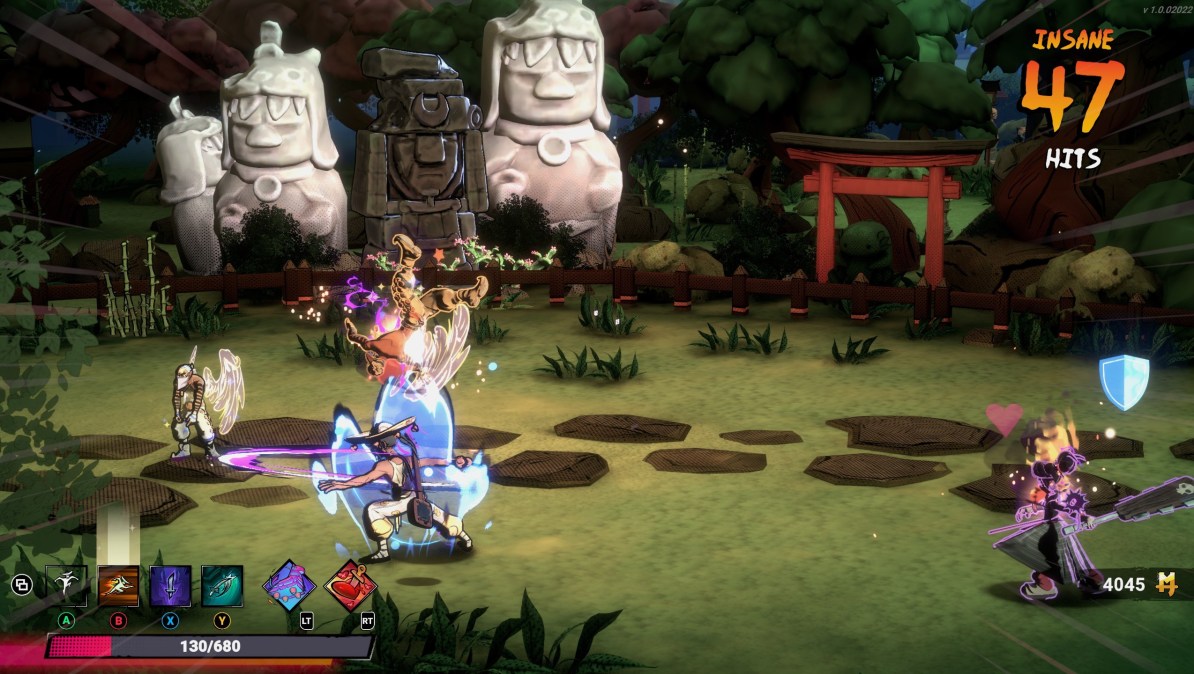
That’s fine. We aren’t here for the plot, though, we’re here for the button-mashing combat and the gradual accumulation of power. Yes, power. Powering all this mayhem is a fairly typical roguelite progression system wherein you die, somehow get resurrected via the magic of a garbage truck collecting your corpse, spend money on some upgrades and take another crack at it. Death isn’t a roadblock, it’s merely an inconvenience, like having to file taxes or people stoppingsuddenlyinthemiddleofthefuckingisle. Y’know, a little annoyance.
I want to set the stage right for this game, though, because when it comes to stuff like this, my mind always drifts to the beautiful perfection of Hades and its sequel. This is a much smaller project, and considerably less ambitious. By which I mean death isn’t quite so interesting. There aren’t massive character interactions to find upon visiting home between runs or astoundingly deep mechanics to explore before you venture out next. A few bits of dialogue hint that our heroic Mexican Ninja has some sort of history with the various bosses he’s busy murdering, but I couldn’t bring myself to care much about any of it. Just hand me a burrito, and let me get to the killing.
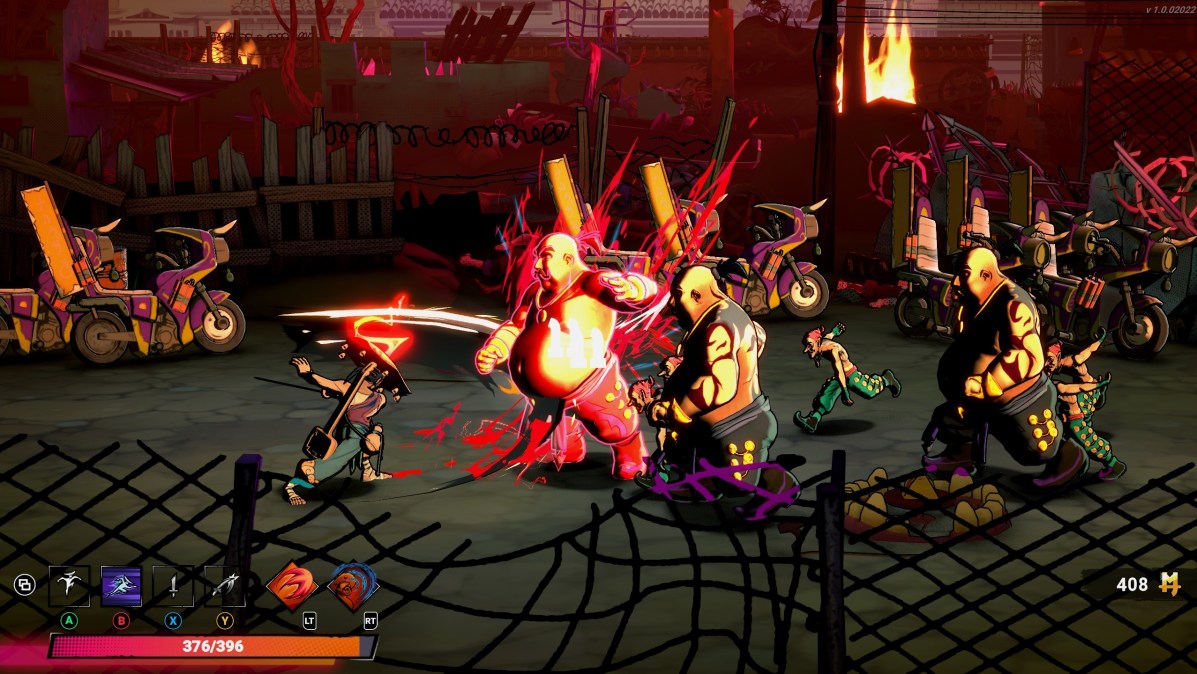
But there are upgrades to be had and new moves to learn using the coins you beat out of foes along the way. Progression feels fast, largely because each new stat upgrade you buy offers a pretty significant boost and cash flows freely, so you’ll rarely be stuck on a boss or section for too long before powering through by skill or sheer weight of buffs. A lot of those upgrades are simple stuff like more damage, more health or faster charging Jutsus, but you can also unlock additional attacks, including new heavy moves and the ability to bounce around on enemies’ heads like an armed and deeply confused Mario. Let’s not bring Italy into this already weird conversation, though.
There’s also a parry mechanic, so if you hit a heavy attack at the right moment, you can open up an enemy for an execution. Awesome in principle, a little lacking in execution, if you’ll excuse the pun. Which you shouldn’t. The problem is actually timing it can be a bit tricky in a game like this. The animations are simple, the action frequently crazy, and thus relying on being able to pick out an incoming attack and respond isn’t always practical when button-mashing everything to death is so effective. The fact that parrying shares the heavy attack doesn’t help, either, and I found myself occasionally doing it by accident rather than through some display of ninja-like reflexes.
To be fair, I think I was initially a little too harsh on the combat as a whole. The basic light and heavy attacks don’t carry much weight behind them, especially during the opening runs when your options are limited, but the further I got the more enjoyable it became simply because more and more shit starts happening at once. Jutsus (special moves) provide the big flashy attacks, like leaping into the air and slamming back down, knocking everyone around you on their arse or, my personal favourite, raining piñatas from the heavens. Upgrade that one enough and what starts as a fairly sensible attack becomes huge explosive objects crashing onto the battlefield while enemies fire projectiles, explosives go off and half a dozen other effects compete for your attention. At its busiest Mexican Ninja can be difficult to read, but there’s also a stupid charm to watching the screen descend into complete chaos.
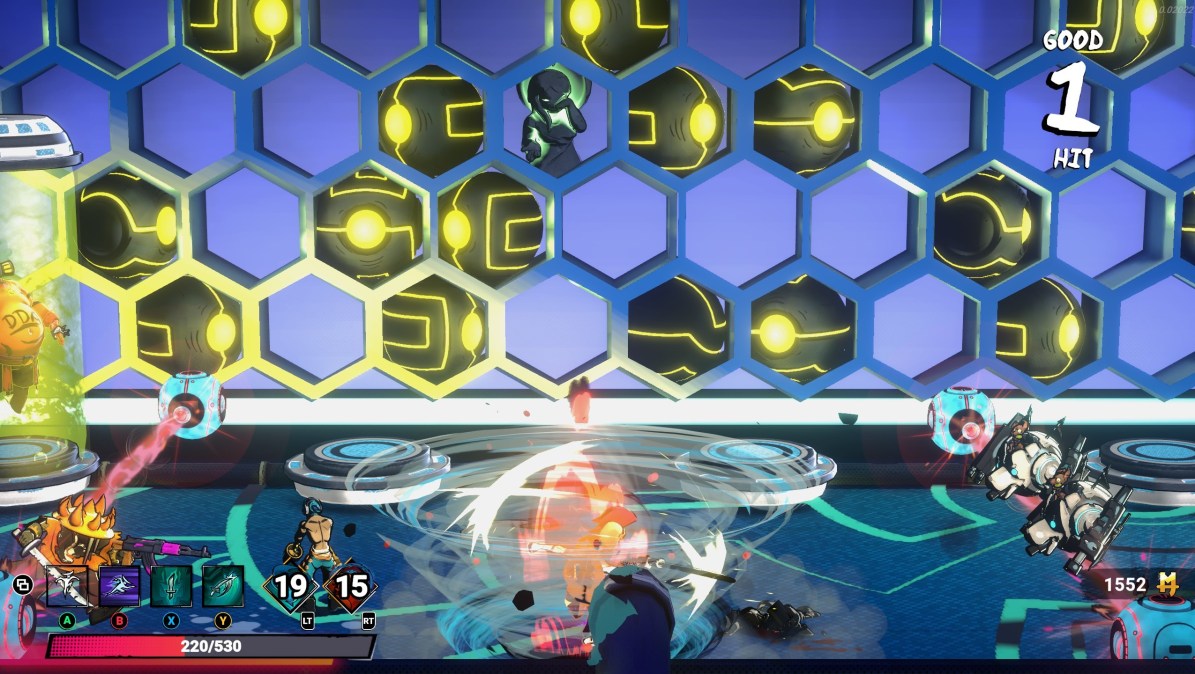
I do really like how building up an absurd combo count seems to be encouraged, too. There are a few different build routes you can go down during runs, but a lot of the permanent upgrades and run-specific upgrades heavily push maintaining a huge combo count. That’s aided by the fact that the meter doesn’t reset based on time, only by getting hit, and there are even upgrades that can help protect it when you inevitably take a slap to the face. Get the number into the hundreds and other bonuses can kick in, skyrocketing damage and encouraging you to remain as aggressive as possible. Watching that counter climb while you’re carving through a crowd is stupidly satisfying and probably the closest Mexican Ninja comes to finding its own little mechanical hook.
The rest of the build crafting is less exciting. Along a run, you’ll regularly stop off to pick up Death Charms, Jutsus and assorted passive upgrades, some of which work together quite nicely. You can throw curses around, inflict hangovers, boost damage under certain conditions or fart so violently that people catch fire, which I’m fairly certain is one of the less dignified ways for a criminal empire to lose its foot soldiers. There is some synergy here, but I never hit that magical roguelite moment where several unrelated choices suddenly snap together and you realise you’ve accidentally built an unstoppable fucking monstrosity. Most things work reasonably well with most other things, so builds become stronger without necessarily becoming much more interesting.
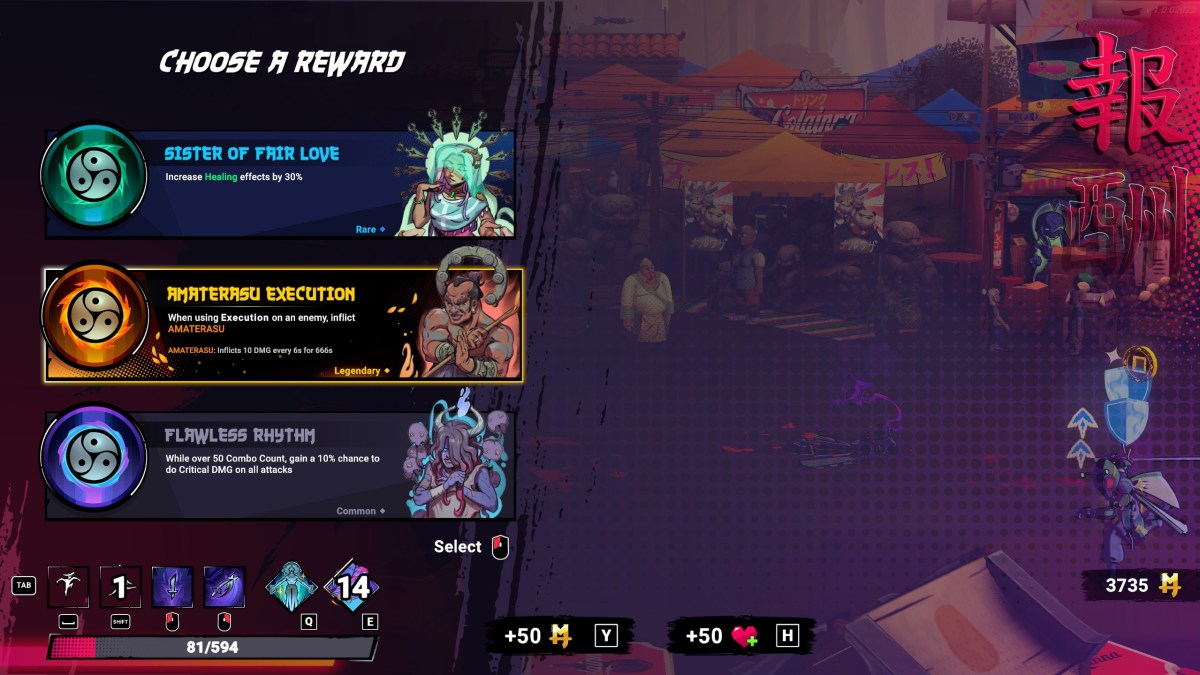
That’s also where the repetition starts showing through. The individual stages are very short and almost completely linear, usually amounting to running forward, beating up a group of enemies, running forward again and beating up another group. At the end, you’ll often get to pick where to head next based on the reward being offered, but the routes themselves rarely feel meaningfully different. Early on especially, the environments blur together and the same handful of enemies keep coming back with slight variations or reskins. New types do appear later and some require a little more thought, particularly ranged attackers when everything else on screen is already trying to murder you, but there’s never a huge amount of variety.
Of course, complaining that a roguelite makes you replay things is a bit like buying a Call of Duty game and being surprised when somebody shoots you. Hades and Hades 2 will happily send you through the same opening areas dozens upon dozens of times as well. The difference is that those games have so much surrounding the repetition that it’s easier to ignore: characters to talk to, stories constantly moving forward and builds that can completely change how a run feels. Mexican Ninja is much simpler, so when you’re charging through the same short streets fighting familiar enemies, there’s less going on to distract from the fact that you’ve definitely done this exact bit before.
Bosses follow roughly the same pattern as everything else: they’re absolutely fine. One is a hulking panda apparently being fuelled by drugs, another is a flying techno monstrosity firing lasers across the floor that you have to hop over, and later there’s a dominatrix-style boss wielding what I’m fairly confident is supposed to be an enormous dildo while minions throw money at her. Mechanically, though, most of them stick to familiar ideas: dodge the big telegraphed attack, rush in for damage, deal with summoned minions, repeat. They’re satisfying enough to beat, especially when you’ve just scraped together enough upgrades to finally overpower one that had been kicking your arse for a couple of runs, but none are likely to be occupying valuable brain space six months from now.
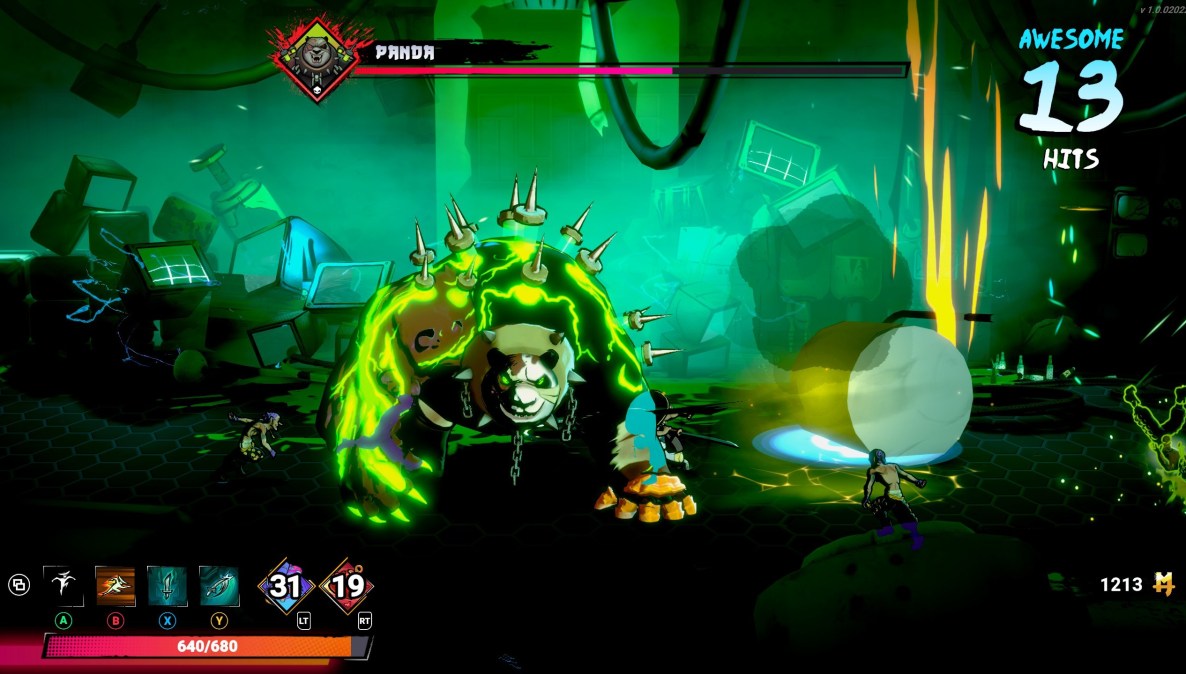
Presentation-wise, I quite like Mexican Ninja. The characters are chunky, the colours are strong and there’s something about the whole thing that reminds me of an Xbox 360-era downloadable brawler, which I mean affectionately. The environments could desperately use more variety, but the overall look suits the ridiculous premise and the increasingly busy combat.
Controls are tight and responsive as well, so even when I was just hammering attacks and dashing through crowds it always felt like the game was doing what I asked.
Technically, it behaved itself for the most part, although the techno boss did bug out on me a couple of times and simply refused to enter the battlefield after his introductory speech. Backing out to the menu and jumping straight back in fixed it, so hardly the end of civilization.
In Conclusion…
Mexican Ninja gets better the further you push into it. Once you’ve got more Jutsus, more Death Charms and enough upgrades to turn the screen into a colourful explosion of violence, there’s some good mindless fun to be found here, and I particularly enjoyed the game’s obsession with keeping that combo counter climbing. But the more I played, the more I also found myself wishing there was another layer to it all: stranger builds, more enemies, more interesting levels, more reasons to care about coming back from the dead beyond buying another chunky stat increase and having another go.
If roguelites are your comfort food, Mexican Ninja has enough going on that you might happily chew through the whole thing. For me, though, the excellent premise promised something much stranger than the fairly straightforward brawler underneath it. I had a decent enough time battering the Narkuzas into submission, but once the sombrero, katana and flaming farts stopped being novel, there just wasn’t enough left to make the whole thing stick.