Microsoft’s Xbox division is reportedly preparing for another major round of layoffs, with Bloomberg reporting that cuts are expected in July, shortly after Microsoft’s fiscal year ends on June 30.
The exact number of people affected is not currently known, although The Verge reports that rumours of around 1,000 layoffs have been floating around. The Verge also says the cuts could potentially include a studio closure or changes to Xbox’s studio lineup.
Microsoft has not officially announced layoffs at the time of writing. However, an internal memo from Xbox CEO Asha Sharma and chief content officer Matt Booty has now been published by Xbox, and it paints a fairly grim picture of why the company is heading into what leadership is calling a business “reset.” Note, “reset” is a term Asha has thrown around a lot lately.
The memo does not directly mention layoffs, but it certainly reads like the kind of email that arrives just before a lot of uncomfortable meetings start appearing on calendars.
“Now we start the next 100 days,” wrote Sharma and Booty. “It is important to have both optimism and realism as we work to reset the business.”
That realism includes a rather brutal look at Xbox’s current financial position. According to the memo, Xbox will end the fiscal year at around a 3% “accountability margin,” which is Microsoft’s internal profitability metric. Worse, Sharma and Booty say that, excluding Activision Blizzard King, Xbox has spent over $20 billion over the past five years on content, platform investment and hardware subsidy, while annual revenue has declined by nearly half a billion dollars.
“Going forward, this cannot continue,” the memo states.
Which is corporate speak for: the spreadsheet has entered murder mode.
Bloomberg reports that, alongside the planned job cuts, Xbox is also expected to significantly reduce budgets for marketing and other parts of the business. That lines up with the memo’s broader message: Xbox has been spending too much, spreading itself too thin, and not getting enough back for it.
The memo also says Xbox has become “over extended” after expanding its studio system to support multiple strategies across subscription, streaming and devices. That is an especially important line given The Verge’s report that studio changes, or even a closure, could be part of the coming cuts.
“We are the fortunate stewards of industry-defining franchises that have enormous potential and player demand, but we have not adequately funded them to compete and win,” Sharma and Booty wrote.
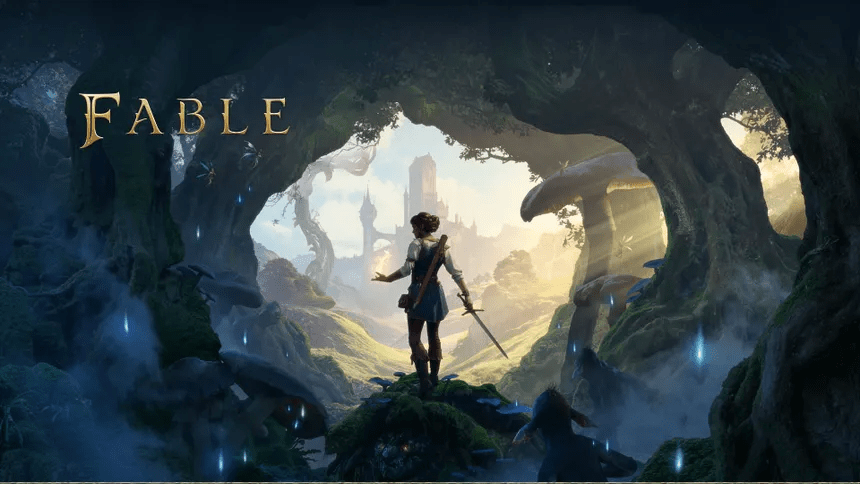
That is a fascinating admission. Xbox owns Halo, Gears of War, Forza, Fable, Minecraft, The Elder Scrolls, Fallout, Doom, Call of Duty and more. It has, on paper, one of the strongest portfolios in gaming. And yet Microsoft is effectively admitting that simply owning a dragon’s hoard of famous names is not enough if you are not funding, managing and deploying them properly. Gee wizz, Microsoft, what an astonishing concept.
The memo says Xbox now needs to reassess the balance between its established franchises, first-party exclusives, third-party exclusives, new IP and investment priorities for the next five years.
One major change already appears to be happening: exclusives are back on the menu.
In recent years, Microsoft has pushed several Xbox games onto rival platforms, including PlayStation and Nintendo Switch, as part of a broader strategy to bring its games to more players. That made sense from a software revenue perspective, but it also raised an awkward question: why buy an Xbox if the biggest Xbox games are coming elsewhere anyway?
The memo specifically says Xbox has “reintroduced exclusives” with Gears of War: E-Day in 2026 and Clockwork Revolution in 2027. It also says players can expect “signature exclusives” from Xbox every year.
That does not mean every Xbox game is suddenly being locked away from PlayStation and Nintendo. Microsoft’s new position appears to be more case-by-case. But after several years of Xbox fans wondering whether the concept of an Xbox exclusive had been quietly taken round the back of the barn, this is still a major shift.
Bloomberg reports that this change in direction may have happened quite suddenly. According to its sources, a PlayStation 5 version of Gears of War: E-Day had been in development before Sharma changed course, and retailers had reportedly been preparing to open pre-orders for it. In fact, we saw one of those pre-orders go live on Walmart, and a PEGI rating for Gears of War: E-Day was spotted just days before the Xbox Showcase. Journalist Jeff Grubb claimed that the decision to abandon the PS5 version was made at the last minute. And then we even saw a Gears of War: E-Day trailer with a PS5 logo accidentally uploaded. Although Aarron Greenberg of Xbox disputes claims that the decision was not made at the last second.
Another big problem facing Xbox is hardware. And somehow, yes, the news gets even messier.
The memo says Xbox is in a “hardware component crisis.” When Sharma became CEO in February, Xbox was apparently already paying more than twice as much for console storage components as it had paid the previous autumn. Those costs have since doubled again.
Looking ahead to the 2027 holiday season, Xbox expects another significant increase, taking storage component costs to more than five times what it paid two years earlier. Memory costs are said to be following a similar trend.
“We are currently unable to make as many consoles as players want to buy, and we need a new business model and partnerships for hardware as we remain committed to Helix,” the memo says.
The mention of a new business model and hardware partnerships is particularly interesting, because it suggests Microsoft may be looking beyond the traditional idea of simply making and selling one big black box under the TV.
That could mean Xbox-branded devices made with partners, closer ties with PC hardware manufacturers, more hybrid console-PC ideas, or something else entirely. Either way, the old model of subsidising hardware and hoping to make it back through software and services seems to be under serious pressure.
The memo also takes aim at Xbox’s platform infrastructure, saying its current systems are “not built for the battle ahead.” Sharma and Booty describe Xbox’s internal systems as overly complex, spanning hundreds of dependencies, while also saying the company has become too reliant on vendors.
That part is less exciting than the prospect of studio closures or surprise exclusivity U-turns, admittedly, but it matters. Xbox is not just saying it needs fewer costs. It is saying the machinery underneath the entire business needs to be rebuilt.
There are some positive notes in the memo. Sharma and Booty say Xbox’s platform teams have shipped more updates in the past 100 days than during the prior year combined. Game Pass, which had apparently been in decline for more than eight months, has started growing again. The memo also claims more than one billion players choose to play Xbox and its games each year, for a total of 72 billion hours across console, PC, mobile and streaming.
If Bloomberg and The Verge’s reporting proves accurate, July could be another brutal month for Xbox staff. Microsoft has already spent the past couple of years cutting jobs, closing studios, cancelling projects and raising prices across its gaming business. This latest reset sounds like it could be another significant reshaping of Xbox under Sharma’s leadership.
For players, the more visible changes may come later: more exclusives, a different next-gen hardware strategy, a stronger focus on major franchises and potentially a leaner studio portfolio.
For employees, though, the immediate concern is much simpler and much worse: waiting to see where the axe falls.