
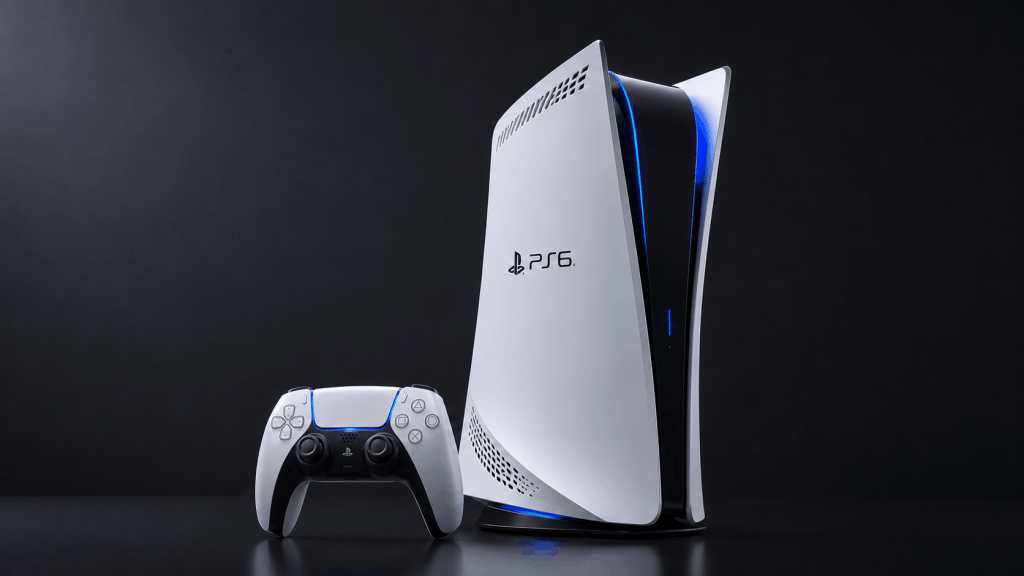
Today, Sony announced it would stop producing disc-based physical releases in January 2028. By doing this, it has given us some valuable insight into the PS6, even as we mourn the death of physical media.
The takeaway is rather obvious: it’s going to be a digital-only console out of the box. No built-in disc drive like the PS5 has, because why would they bother when they’re terminating PlayStation disc-production in 2028? Reporting has suggested Sony was going to be releasing their next machine in 2027, so there wouldn’t be any reason to make discs for it for just a few months before ceasing production. Other reports indicate Sony is considering delaying until 2028 or even 2029 due to the ongoing component cost crisis.
In fairness, most of us had probably already assumed the next PlayStation would be digital-only, but this is as close to a confirmation we’re going to get until Sony says it outright. It also fits in with the rumoured PS6 handheld, which naturally was never going to have a disc-drive strapped to it.
Windoes Central says their sources tell them the next Xbox is also abandoning disc drives, too.
This, of course, raises a big question for backwards compatibility on PlayStation. These days it’s a given that your old games will work with new consoles, but if your collection is on discs and the new machine doesn’t have a drive, that’s a problem. You’ll be left with a bunch of boxes containing glorified frisbees at that point.
There’s a couple of options here, starting with the likely one: Sony may offer some sort of optional external drive like they already do with PlayStation 5. In fact, the existing one they produce might even be compatible with the new console. To me, this seems like the most likely thing Sony will do, allowing long-time fans with a physical library of games to keep playing their favourite titles.
.An even better option would be allowing any generic blu-ray drive to work with the console so we don’t have to buy the pricey PlayStation branded one. This is especially enticing since recent reports claim the PS6 costs nearly $1000 just for the components alone. Even if Sony takes a loss and sells it at $900, that’s still an expensive piece of tech, and throwing on another $80 for a disc-drive turns it from expensive to a financial disaster that includes having to sell your grandma.
Unfortunately, this is likely just s consumer-friendly pipe-dream, the kind we throw around while execs scoff in the background. Companies doing nice things? Nah.
Option two is some sort of trade-in system where you can send or somehow show Sony your physical collection and be given digital downloads for them. While possible, this would involve a lot of extra effort for Sony.
Or option three, wherein Sony gives everyone the middle-finger and tells you to buy your collection again. This seems unlikely as it would undoubtedly piss off a lot of people. But then again, if Sony thinks the PR backlash is manageable, they could do it.
Whatever route Sony decides to take, there’s no getting around the fact that Sony’s decision has annoyed a lot of people. While digital games absolutely are the way the vast majority of people buy their games these days – and is completely normal for PC users – there was still 70 million physical games sold on PS5 during the last full fiscal year. There’s a dedicated, die-hard fanbase out there who loves to have boxes on their shelves, own their games in a more substantial way and like being able to sell their titles to fund the next big open-world adventure.
And when Sony does things like announce it’s pulling 550+ movies from users libraries due to a license running out, who can blame people for wanting to have the full game they paid for on a physical disc?
No, movies and games are not identical situations, but the underlying fear is the same: if the thing you bought only exists because a storefront says it does, then you don’t really own it in the way people used to understand ownership. All you own is a license, and according to the terms and conditions, that license can be ripped away faster than Kratos’ patience.




 WGB
WGB 