
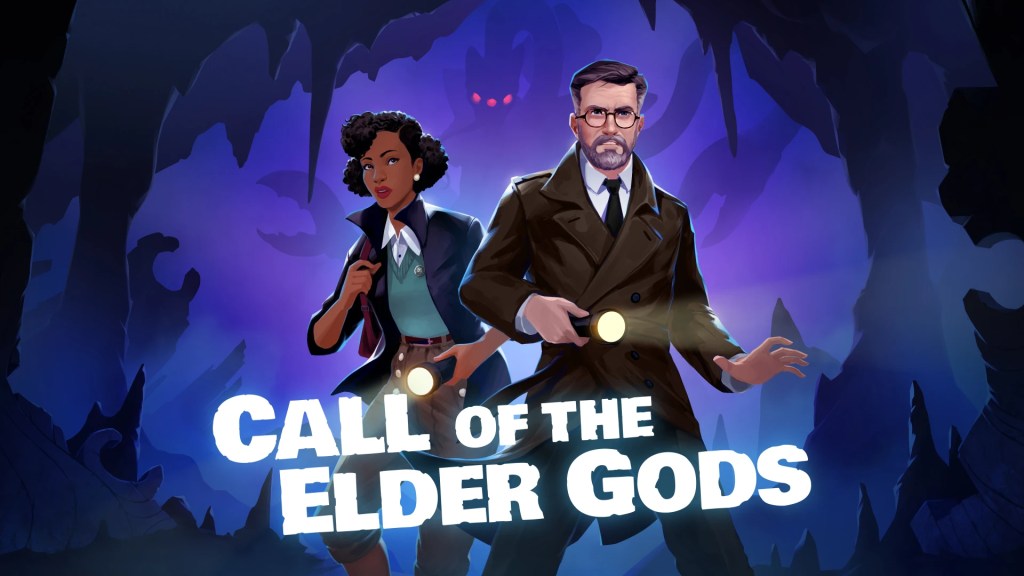
Call of the Elder Gods takes place years after the events of Call of the Sea, and even includes a brief piece of dialogue where you choose which ending you want. It’s an acceptance that it has been five years since Call of the Sea released, five long years for people to forget what happened. But Out Of The Blue Games didn’t forget. And now they are back for another narrative-driven puzzle game with a mild Lovecraft obsession.
Available On: PC, Xbox, PlayStation, Switch
Reviewed On: PS5
Developed By: Out Of The Blue Games
Publisher: Kwalee
Disclosure: I received a free review copy of this product from https://www.keymailer.com
In theory, you could play the sequel without ever having played the first game and sort of muddle your way through – a quick recap at the beginning of Call of the Elder Gods helps you find your footing – but for the best experience, you’ll want to have explored the mysterious island found in Call of the Sea for yourself, experience its characters and stories.
Evangaline Drayton is a young student who finds herself embroiled in a supernatural mystery after she starts having strange dreams. But these aren’t just dreams, they are pieces of missing memories from a huge chunk of time that is seemingly just…gone. More confusingly, she was apparently still moving about and conducting research during this period of amnesia. It doesn’t take her long to team up with an older Professor Harry, the husband of protagonist Norah from Call of the Sea, who has become a recluse over the years following the events of Call of the Sea. Like Evangaline, Harry has been experiencing odd dreams and memory lapses, and is once again going to become embroiled in cosmic weirdness.
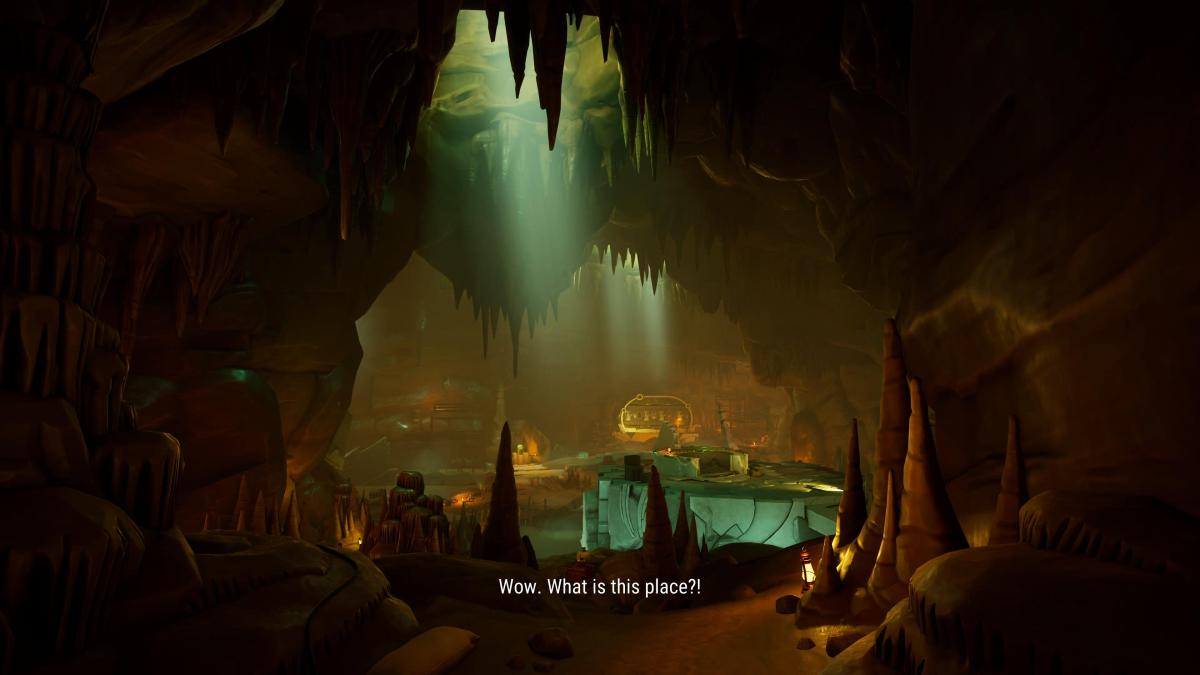
Speaking of Norah, she’s back, albeit only as the narrator of the tale. While it’s nice to hear that beautiful voice again, her role here feels largely unnecessary. Too often, she drops in to over-explain scenes or spell out emotions that the dialogue and performances were already communicating just fine, making her feel less like a meaningful returning character and more like a convenient exposition machine. That issue extends to the wider script, which lacks the emotional weight that made Call of the Sea so memorable. Where Norah’s original journey felt intimate and affecting, Call of the Elder Gods trades that depth for pulpy cosmic spectacle. It’s still entertaining, just far less engaging. That becomes especially apparent in the finale, where I never found myself especially invested in how it all played out.
That certainly doesn’t come down to the voice acting, though. Cissy Jones as Norah is a hard act to follow, but Mara Junot does a damn fine job as Evangeline, as does the returning Yuri Lowenthal as the older, tired Harry Everhart.
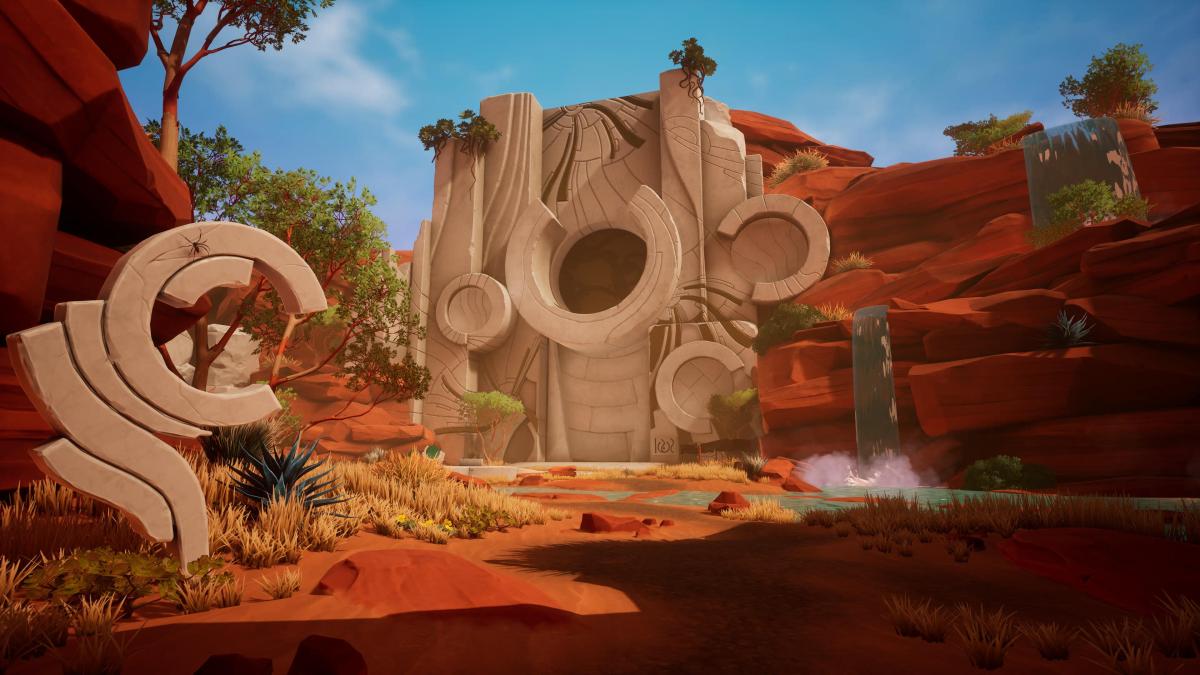
Still drawing heavily on Lovecraft’s deranged stories – specifically “The Color Out of Space” and “The Shadow Out of Time” – Call of the Elder Gods also throws in some pulpy sci-fi elements, too, for a pretty nuts narrative with a comedic streak running through it. Think more fun adventure, rather than disturbing cosmic horror. A bit more Indiana Jones with a dash of ancient cosmic beings. There’s even proper globetrotting adventuring to be done, taking you from a quiet manor to icy caves to the deserts of Australia, although I refuse to believe it was Australia because not once did a kangaroo try to kick my head off.
To boil it all down, I think Call of the Sea had the more emotionally engaging story. I was invested in Norah and her story. Call of the Elder Gods doesn’t manage the same thing, but it swaps it out for being a more outright entertaining, and ultimately forgettable, narrative.
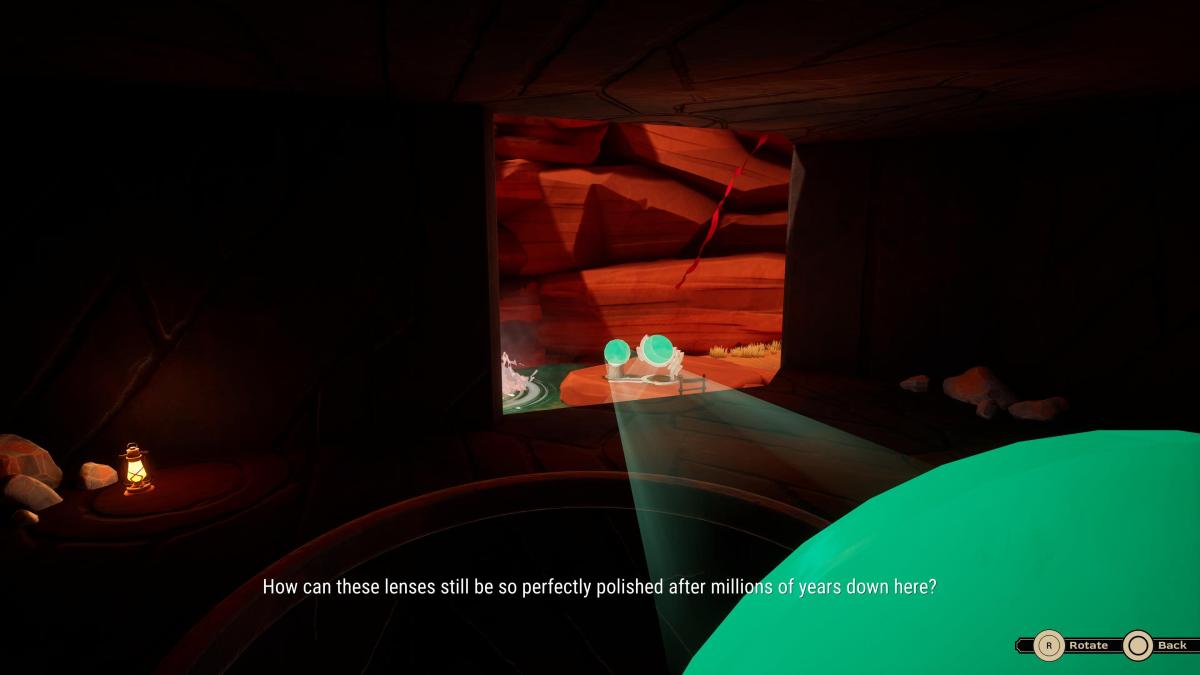
If you aren’t walking around like a lost tourist taking in the sights, you’re solving puzzles designed to make you feel dumber than a sloth. The developers certainly nailed that part – nothing makes me feel dumber than a puzzle game, and Call of the Elder Gods has some proper brain-ticklers. Clever design abounds, even going so far as to have you solving Enigma Machine codes. There are no huge leaps in difficulty that will leave you frustrated and annoyed, and the devs have done a good job crafting logical, satisfying puzzles to solve.
There’s a journal that gets filled in throughout the game, too, noting down all the major clues you’ve discovered that are needed to complete the puzzles. The automatically updated journal is especially handy, neatly collecting every clue without feeling like it’s doing the thinking for you.
There’s also a full-blown hint system in the pause menu if you get stuck. It goes a little quickly from dropping a hint to outright stating what to do for my tastes, but at least it meant I was never truly stuck unless I wanted to be.
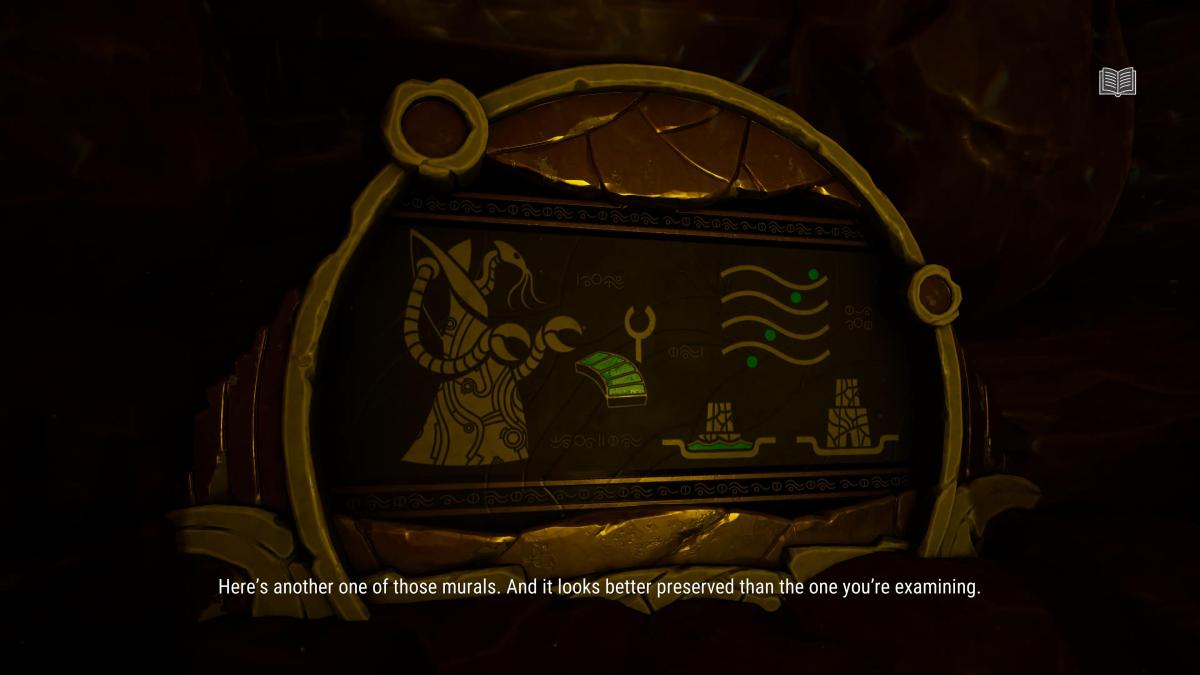
Both the hint system and journal are disabled in hard mode, just in case you really want to test your intelligence.
And that’s the whole loop. You amble around, soak up the often quite lovely scenery, jot down notes and attempt to engage your brain long enough to solve a puzzle, or wait for your brain to dissolve into a puddle sloshing uselessly around inside your skull.
In Conclusion…
Call of the Elder Gods never quite recaptures the emotional magic that made Call of the Sea so memorable. Its story is broader, sillier, and ultimately less affecting, even if its globe-trotting cosmic nonsense remains consistently entertaining. Thankfully, Out of the Blue’s knack for clever puzzle design is as sharp as ever, resulting in a sequel that may not surpass its predecessor, but still offers a thoroughly enjoyable mystery for anyone eager to test their brain against the unknowable.
 WGB
WGB 